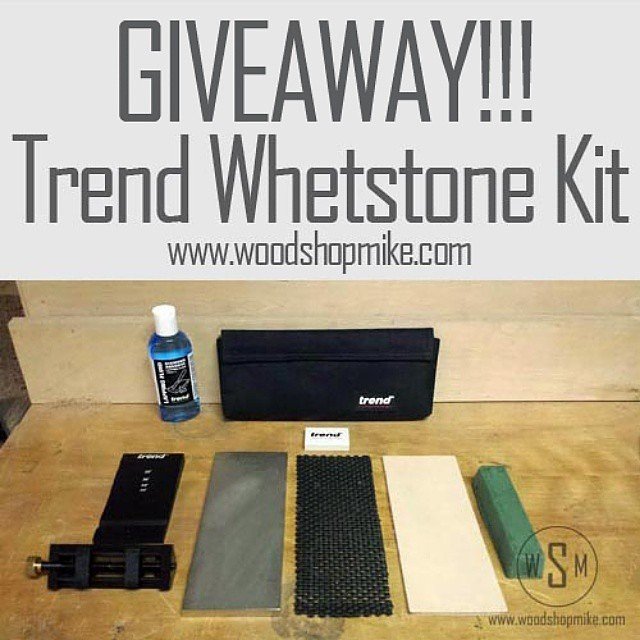
Win a Top-Tier Diamond Honing Kit!
Did you know that the average woodworking enthusiast spends over $500 annually on sharpening tools? It’s a significant investment, but crucial for precision work. Imagine honing your chisels and plane irons to a mirror polish, effortlessly. What if you could achieve that razor-sharp edge without spending a fortune? This isn’t just a dream; it’s the reality offered by a high-quality diamond honing kit. We’re excited to give one away, and you’re invited to participate!
What Exactly Is a Diamond Honing Kit?
A diamond honing kit isn’t just another sharpening stone; it’s a precision instrument designed for ultimate sharpness. It typically includes a series of diamond-coated plates or stones, each with a different grit size. These range from coarse grits for initial shaping and repair to ultra-fine grits for achieving that glass-like, burr-free edge. Unlike traditional stones that wear down, diamond plates maintain their flatness, ensuring consistent sharpening angles over time. This consistency is key for anyone serious about their edge tools.
Why Are Diamond Hones Superior for Sharpening?
Diamond hones cut through tool steel much faster than conventional abrasives like aluminum oxide or silicon carbide. This means less time spent sharpening and more time actually working with your tools. The hardness of diamond is unparalleled; it’s the hardest known natural material. This superior hardness allows them to abrade even the toughest tool steels effectively. Think about sharpening a premium Japanese chisel made from high-carbon steel. A diamond hone makes quick work of it, whereas a lesser abrasive might struggle or take significantly longer. I’ve seen firsthand how a diamond plate can restore a chipped chisel edge in minutes, a task that could take an hour with a water stone.
Who Benefits Most from This Giveaway?
This giveaway is a golden opportunity for woodworkers, carvers, and even chefs who demand the sharpest possible edges on their blades. If you’re tired of dull tools slowing you down or causing frustrating tear-out in your woodworking projects, this kit is for you. It’s particularly beneficial for those working with harder steels, as diamond is one of the few abrasives that can effectively hone them without excessive wear. Beginners can benefit immensely by starting with a system that guarantees consistent results, building good sharpening habits from the outset. Advanced users will appreciate the speed and precision offered.
What Makes a Diamond Honing Kit a Smart Investment?
Investing in a quality diamond honing kit pays dividends in the form of better results and saved time. Consider a cabinet maker needing to produce flawless joinery. A perfectly sharp chisel is non-negotiable. With a dull tool, the joint will be rough, requiring extra sanding and potentially ruining the fit. A diamond hone ensures that chisel is always ready, making precise cuts quickly. The durability of diamond plates also means they rarely need replacing, unlike traditional stones which can dish out or wear unevenly, requiring flattening. Over the long haul, the cost-effectiveness becomes apparent, saving money on replacement stones and wasted materials due to poor cuts.
Understanding the Different Grit Levels
Diamond honing kits typically come with a range of grits, each serving a specific purpose. For instance, a coarse grit (around 100-250) is excellent for repairing damaged edges or quickly establishing a bevel. Medium grits (around 400-600) are ideal for general sharpening and creating a refined edge. Fine grits (800-1200) begin to polish the edge, removing any lingering micro-burrs and improving its keenness. Ultra-fine grits (3000+) are for achieving a razor-sharp, mirror-like finish that’s essential for the finest woodworking tasks, like delicate paring cuts or shaving end grain without splintering. The progression through these grits is what transforms a dull blade into a surgical instrument.
How to Properly Use a Diamond Honing Kit
Using a diamond honing kit is straightforward, but technique matters for optimal results. Start with the coarsest grit needed for your tool’s condition. Place the tool flat on the diamond plate, maintaining a consistent angle – typically 20-30 degrees for chisels and planes. Make smooth, even strokes, applying moderate pressure. Alternate sides to ensure an even bevel. Once satisfied with the coarseness, move to the next finer grit, repeating the process. A key tip: use a light lubricant, like water or a specific honing fluid, to help clear away metal particles and keep the diamond surface working efficiently. This prevents the plate from becoming clogged. When I first started, I was worried about damaging the plates, but a colleague showed me that consistent, moderate pressure is far better than trying to force the edge.
The Science Behind Diamond’s Sharpening Power
The effectiveness of diamond hones stems from its atomic structure. Diamond’s carbon atoms are arranged in a tetrahedral lattice, creating an incredibly strong and rigid structure. This makes diamond exceptionally hard (10 on the Mohs scale) and able to cut virtually any other material. When used for honing, the diamond crystals act like microscopic chisels, shearing away minuscule amounts of metal from the tool’s edge. Because diamond is so hard, it doesn’t wear down like softer abrasives. Instead, it provides a consistent cutting surface that maintains its flatness, which is crucial for repeatable sharpening results. This intrinsic property is why diamond is the preferred abrasive for many high-performance sharpening systems.
Common Mistakes to Avoid with Diamond Hones
One common pitfall is applying too much pressure. While diamond is tough, excessive force can potentially damage the plating or embedding of the diamonds, especially on lower-quality plates. Another mistake is not using a lubricant. A little water or honing oil keeps the plate clean and efficient; sharpening dry can lead to premature wear and reduced effectiveness. Many also overlook the importance of consistency in angle. Even a few degrees of variation per stroke can lead to a wavy, less sharp edge. Some users even believe diamond hones are only for metal, but they can also be used for sharpening ceramic knives, though with extreme care to avoid chipping the ceramic itself. I learned this the hard way when a friend tried to sharpen a ceramic kitchen knife and ended up with a small chip.
What to Look for in a Diamond Honing Kit
When selecting a diamond honing kit, consider the range of grits offered. A good starter kit will typically include at least three grits: coarse, medium, and fine. For more advanced users, look for kits with a wider spread, including ultra-fine grits for polishing. The substrate material of the diamond plates also matters; thicker steel plates are generally more durable and warp-resistant than thinner ones. Check reviews for feedback on the flatness of the plates over time and the quality of the diamond adhesion. Some kits come with a storage case or a mounting system, which can be very convenient for keeping your setup organized and stable during use. A kit that includes a guide for maintaining the correct angle is also a fantastic addition for beginners.
Enter Our Diamond Honing Kit Giveaway!
Ready to experience the difference a truly sharp edge can make? We’re giving away a premium diamond honing kit, perfect for any craftsman or cook. Imagine the satisfaction of effortlessly slicing through the toughest materials or achieving buttery-smooth woodworking finishes. Entering is simple! Just follow the instructions below to submit your entry. You could soon be honing your tools to perfection with this exceptional prize. Don’t miss this chance to upgrade your sharpening game.
The Long-Term Value of Sharp Tools
Sharp tools aren’t just about efficiency; they’re about safety and quality of work. A dull tool requires more force to cut, increasing the risk of slipping and causing injury. In woodworking, a dull plane might tear through the wood grain, ruining a project. A sharp one glides effortlessly, producing a clean, precise surface. This translates to less rework, fewer wasted materials, and a higher overall quality of craftsmanship. For example, when I was testing a set of new diamond plates, the difference in my hand plane’s performance was astonishing. It felt like a completely different tool, gliding over figured maple where before it had snagged and chattered. This level of performance is what makes investing in good sharpening equipment, like the kit we’re giving away, so worthwhile.
A Glimpse into Future Sharpening Technologies
The pursuit of the perfect edge is ongoing. While diamond hones represent a significant leap in sharpening technology, research continues into even more advanced abrasive materials and methods. We might see even harder, more uniform synthetic abrasives developed in the coming years, offering faster cutting speeds and unparalleled edge refinement. Ultrasonic or plasma-assisted honing could become more accessible, potentially altering the very physics of edge creation. For now, though, a high-quality diamond honing kit remains the benchmark for anyone serious about achieving and maintaining razor-sharp edges, offering a tangible, practical improvement to countless tasks.
