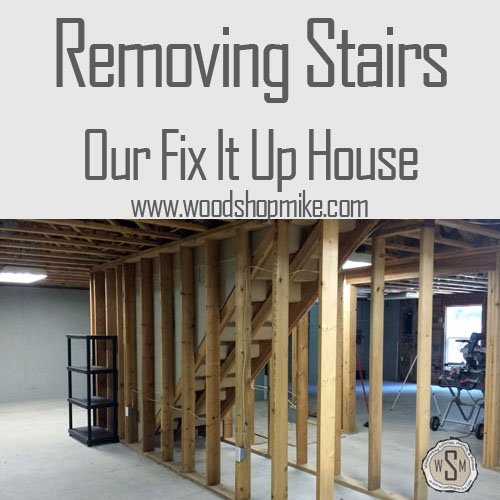
Why Are You Even Considering Removing Stairs?
Did you know that the average cost to remove a staircase can range from $2,000 to $7,000, depending on complexity and materials? That’s a significant chunk of change, and it begs the question: why would anyone want to get rid of perfectly functional stairs? The motivations are surprisingly varied, often stemming from a desire for more open-concept living, improved accessibility, or even structural modifications. For many homeowners, stairs represent a visual interruption in an otherwise flowing space, hindering the seamless aesthetic they’re aiming for. Others see them as a potential hazard, especially in households with young children, elderly individuals, or pets. And then there are those who simply want to reclaim the square footage a staircase consumes, especially in smaller homes where every inch counts.
What Exactly Does Removing Stairs Entail?
Removing stairs is far more than just dismantling the steps themselves; it’s a significant structural undertaking. The process involves carefully deconstructing the treads, risers, and stringers, but critically, it also requires addressing the void left behind. This often means reinforcing the floor joists or ceiling structure that previously supported the staircase. Furthermore, if the stairs were a load-bearing element, specialized engineering might be necessary to redistribute weight effectively. Flooring will need to be seamlessly integrated into the newly opened space, and walls may require patching and repainting. It’s a project that demands professional attention for safety and structural integrity.
The Accessibility Advantage: A Stair-Free Home
For individuals with mobility challenges, removing stairs can be a transformative decision, creating a truly accessible living environment. Imagine a scenario where a wheelchair user no longer faces the insurmountable barrier of a multi-level home. This isn’t just about convenience; it’s about independence and dignity. By eliminating staircases, you can create a single-level living space that accommodates walkers, wheelchairs, and individuals who struggle with balance or stair climbing. This modification can significantly enhance safety, reducing the risk of falls, a major concern for seniors. For instance, a family with an aging parent might opt to remove stairs on a main floor to ensure their loved one can navigate the home comfortably and safely, without needing to relocate or undergo costly ramp installations throughout.
This accessibility benefit extends beyond those with immediate mobility issues. It future-proofs a home, making it more adaptable as residents age or if temporary mobility aids become necessary. A colleague once shared a story about their grandmother who, after a hip replacement, found her two-story home suddenly daunting. Removing the main staircase allowed her to live on one level, avoiding the upheaval of a move and maintaining her connection to family. The cost, while substantial, was less than the emotional toll of relocation.
Reclaiming Space: Maximizing Your Home’s Footprint
Staircases are notorious space hogs. They occupy a significant footprint, often gobbling up valuable real estate on multiple floors. Removing them can unlock surprising amounts of usable area. Think about a cramped entryway that feels perpetually cluttered. Eliminating a staircase could allow for a more expansive foyer, a larger living room, or even the addition of a much-needed home office or a spacious pantry. In a 1,500-square-foot home, a staircase might easily consume 100-150 square feet across two levels. Reclaiming this space can feel like adding a whole new room without any physical extension of the building’s exterior. I’ve seen this firsthand in older bungalows where a central staircase made the living and dining areas feel disconnected and cramped; removing it created a flowing, open-plan space that felt dramatically larger and more inviting.
This spatial gain is particularly appealing in urban areas where square footage is at a premium. Developers and homeowners alike are constantly seeking ways to optimize living areas. Removing a staircase can be a creative solution to this problem. For example, a homeowner in a densely populated city might decide to convert a second-floor landing and staircase into a small, but functional, guest bathroom or a walk-in closet, effectively increasing the home’s utility without expanding its physical boundaries.
Structural Considerations and Safety First
This is where things get serious. Removing stairs isn’t a DIY weekend project. A staircase is an integral part of a home’s structural system. It supports loads not only from people walking on it but also contributes to the overall stability of the floors and walls it connects. When you remove it, you’re essentially creating a large hole in your floor. This necessitates reinforcing the surrounding joists to carry the load that the stairs previously helped distribute. Failure to do this can lead to sagging floors, cracks in walls, and in extreme cases, structural collapse. A licensed structural engineer must assess the situation and provide plans for the necessary modifications. For instance, if a staircase ran through the center of a house, its removal might require adding substantial support beams or sistering existing joists to carry the doubled load of the adjacent floor sections.
The process often involves cutting away sections of the subfloor and potentially the ceiling below, depending on the staircase’s design. Then, new joists, beams, or even posts might need to be installed to bridge the gap. This isn’t guesswork; it’s precise engineering. A contractor I worked with on a renovation project once underestimated the complexity of supporting a floor after stair removal. They ended up having to bring in an engineer mid-project, significantly delaying the timeline and increasing costs because the initial framing wasn’t robust enough to handle the concentrated load from the surrounding floor.
Who Benefits Most from a Stair-Free Environment?
The primary beneficiaries are individuals seeking enhanced accessibility. This includes seniors who are finding stairs increasingly difficult, people with permanent or temporary mobility impairments, and families with very young children where the risk of falls is a constant worry. Beyond those with specific needs, it also appeals to homeowners who prioritize open-concept living and want a more fluid, modern aesthetic. A young couple renovating a mid-century ranch might find the central staircase breaks up their desired open living-dining area. Removing it allows them to create a unified, spacious main floor. Another scenario: a family with toddlers might decide that the constant vigilance required around a steep, narrow staircase outweighs its benefits, opting for a single-story layout for peace of mind. I’ve seen parents install elaborate baby gates, only to find their child masters them within weeks; removing the hazard altogether becomes the ultimate solution.
That said, not every home is a good candidate. Older homes with specific architectural features or load-bearing walls tied directly to the staircase might present significant engineering challenges and costs that outweigh the benefits. A consultation with an architect or structural engineer is crucial before committing to such a drastic renovation.
The Aesthetic Transformation: Openness and Flow
Visually, removing stairs can completely alter a home’s perception. Gone are the visual interruptions of risers and railings, replaced by uninterrupted sightlines. This creates a sense of spaciousness, making even modest homes feel grander. Imagine walking into a home where the living room, dining area, and kitchen all flow into one another without the visual break of a staircase. It fosters a more connected and inviting atmosphere, perfect for entertaining. The absence of a staircase can also allow for more creative interior design choices, such as larger art installations or statement lighting fixtures in the newly opened space. A client of mine, an interior designer, specifically requested stair removal in a historic Victorian home to modernize its layout. The result was a dramatically brighter, more airy main floor that retained its historic charm while embracing contemporary living.
Unexpectedly, this aesthetic shift can also improve natural light penetration. Stairwells often cast shadows, particularly in the center of a home. Removing them can allow sunlight to travel further, brightening adjacent rooms. This makes the entire living space feel more welcoming and vibrant. It’s a subtle but impactful change that enhances the overall ambiance.
When Does It Make Sense to Tackle This Project?
The decision to remove stairs usually arises during major renovations or when a home’s occupants have changing needs. It makes the most sense when you’re already undertaking significant structural work or when accessibility becomes a primary concern, such as for aging in place or accommodating a family member with a disability. It’s also a strong consideration if you’re aiming for a truly open-concept main floor and the existing staircase is a major impediment. For example, if you’re buying a fixer-upper with a cramped layout and plan to gut and remodel, removing a poorly placed staircase becomes a logical part of maximizing the renovation’s potential. Conversely, if your home is already relatively open and stair-related accessibility isn’t an issue, the cost and structural complexity likely outweigh the aesthetic benefits.
My experience suggests that tackling this during a full-home renovation, rather than as a standalone project, often proves more cost-effective. Integrating the structural work, framing, and finishing into a larger project minimizes disruption and potentially reduces labor costs associated with repeated mobilization of trades. It’s a complex job, best suited for when the house is already a construction zone.
What Are the Alternatives to Full Stair Removal?
Sometimes, the extreme measure of complete removal isn’t necessary. If accessibility is the main driver, consider alternatives like installing a stairlift or a residential elevator, which can be significantly less invasive and costly than structural modifications. For aesthetic concerns, a space-saving spiral staircase or a cleverly designed alternating tread stair can offer a less obtrusive presence than a traditional straight run. Even simply updating the railing style or widening an existing staircase can create a more open feel without the major structural work. A client once found that replacing bulky, traditional railings with sleek, modern cable railings made their existing staircase feel almost invisible, dramatically improving the sense of space without any demolition.
Another approach involves reconfiguring the staircase’s location or design. Sometimes, moving a staircase to a more central or less visually dominant position can achieve the desired open-concept feel. Or perhaps, narrowing the staircase slightly or incorporating storage solutions underneath can reclaim usable space and improve flow. These are often more manageable interventions than complete removal, offering a balance between functionality, aesthetics, and budget.
The Hidden Costs and Potential Pitfalls
While the visible costs include demolition, framing, and finishing, there are often hidden expenses. Unexpected structural issues are common; you might uncover rot, pest damage, or faulty existing framing that needs immediate repair, adding thousands to the bill. Permit fees can also add up, especially for projects involving significant structural changes. Furthermore, the flooring in the adjacent areas will need to be seamlessly integrated, which can be challenging and costly if the original flooring is discontinued or difficult to match. I once worked on a project where the homeowner assumed they could just patch the floorboards. But the age difference in the wood and the way the subfloor had settled meant a visible seam was unavoidable, requiring them to replace a much larger section of flooring than initially anticipated. Another pitfall is underestimating the complexity of electrical and plumbing rerouting if the staircase interferes with existing runs.
The disruption to daily life is also a significant, albeit non-monetary, cost. A project like this can take weeks, if not months, turning your home into a construction zone. Planning for temporary living arrangements or significant lifestyle adjustments is crucial. This isn’t a quick fix; it’s a major renovation that requires patience and a substantial budget buffer. Don’t forget about potential resale value impacts; while it might suit your needs now, a completely stair-free layout could be a deterrent for future buyers unless the home is specifically marketed as an accessible dwelling.
Is Removing Stairs Ever Truly Worth It?
Ultimately, the decision hinges on your specific circumstances and priorities. If you’re seeking unparalleled accessibility, reclaiming significant square footage for a modern open-plan living space, or solving a persistent design challenge, then yes, removing stairs can be a worthwhile endeavor. It can fundamentally transform a home, enhancing its livability, functionality, and aesthetic appeal. However, it’s a project that demands careful planning, a realistic budget that accounts for unforeseen issues, and the engagement of qualified professionals, including structural engineers and experienced contractors. Without these elements, you risk creating more problems than you solve. The key is to weigh the substantial benefits against the equally substantial costs and complexities involved. A home without stairs is no longer just a house; it’s a carefully engineered living solution.
