The Unexpected Utility of Scrap Pipe for Tool Handles
Did you know that a simple length of steel pipe, often destined for the scrap heap, can be transformed into an incredibly durable and versatile tool handle for under five dollars? Many DIYers and seasoned mechanics alike overlook this readily available material, opting for expensive pre-made handles or flimsy alternatives. This oversight means missing out on a robust solution that can withstand serious abuse. Consider the sheer brute force applied to tools like sledgehammers or pry bars; a standard wooden handle can splinter or crack under extreme stress, leading to injury. A well-constructed pipe handle, however, offers unparalleled resilience. It’s a pragmatic approach that saves money and enhances tool longevity.
Why Choose Pipe for a Tool Handle?
The primary allure of using pipe for tool handles boils down to its inherent strength and cost-effectiveness. Think about the typical demolition project or heavy-duty industrial setting. Tools are subjected to impacts that would quickly render softer materials useless. Steel pipe, particularly Schedule 40 or thicker, possesses a high tensile strength that resists bending and breaking. For instance, a 3/4-inch black steel pipe, commonly found at any hardware store, can support thousands of pounds of static load before yielding. This makes it an ideal candidate for handles on hammers, axes, chisels, or even custom-made levers. The material’s uniformity also means predictable performance; unlike wood, which can have hidden knots or grain weaknesses, pipe offers consistent structural integrity.
Furthermore, the accessibility of pipe is a significant advantage. It’s a ubiquitous material. You can find it at plumbing supply stores, scrap metal yards, and even in discarded construction materials. This ubiquity drives down the cost dramatically. A 5-foot section of 1-inch black steel pipe might cost less than $15, and that’s enough for several tool handles, especially if you’re making smaller ones. Compare this to a specialized replacement handle for a sledgehammer, which can easily run $20-$30 or more, and the economic argument becomes quite compelling. It’s a smart choice for anyone looking to maximize their budget without compromising on quality.
How to Craft a Pipe Tool Handle: A Step-by-Step Guide
Creating your own pipe handle is surprisingly straightforward, even for those with minimal fabrication experience. The process begins with selecting the right pipe diameter. For heavy-duty striking tools like sledgehammers or mauls, a 1-inch or 1.25-inch pipe provides sufficient heft and strength. For lighter tools such as pry bars, chisels, or mallets, a 3/4-inch pipe is often adequate. Once you have your pipe, the next critical step is cutting it to the desired length. A standard hacksaw will work, though a reciprocating saw or an angle grinder with a metal cut-off wheel will make the job much faster. Aim for a length that feels comfortable and balanced in your hand; typically, this falls between 18 and 36 inches, depending on the tool’s purpose.
After cutting, deburring the cut ends is crucial for safety and a clean finish. Use a metal file or a deburring tool to smooth any sharp edges. Now comes the attachment method, which depends heavily on the tool head you’re fitting. For tools like sledgehammers or axes, the pipe often slides over a tang that protrudes from the head. You might need to slightly ream or grind the inside of the pipe’s end to achieve a snug fit. A common technique is to heat the end of the pipe slightly and then force it onto the tang; as it cools, it contracts, creating a very tight bond. Alternatively, for tools like pry bars or chisels, the pipe might be used as the handle itself, with the tool end extending from it. In such cases, drilling holes through the pipe and the tool shank, then securing them with bolts or pins, creates a solid connection. A professional welder could also permanently affix the pipe to the tool using a strong weld bead for ultimate durability.
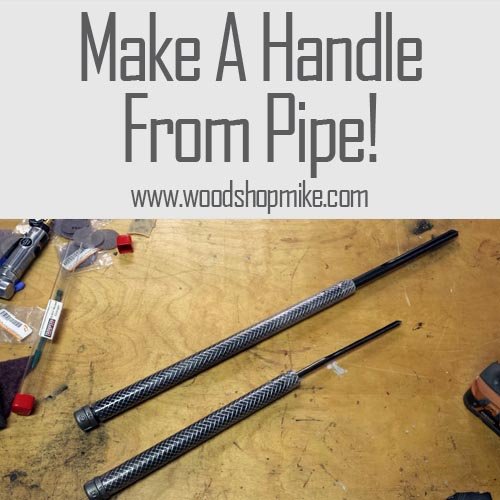
To enhance grip and comfort, consider adding a secondary layer. This is where creativity and personal preference come into play. Many people wrap the pipe with grip tape, similar to what’s used on tennis rackets or hockey sticks, for a secure, non-slip hold. Others prefer using heat-shrink tubing, which, when applied correctly, forms a smooth, durable, and often textured grip. Some even go the extra mile by filling the pipe with sand or epoxy resin before capping the end, adding weight and rigidity, which can be beneficial for specific tools like sledges or striking mallets. I once saw a colleague build a custom pry bar using a thick-walled pipe and wrap it with layers of old leather belting, secured with rivets. It looked fantastic and offered an unbelievably comfortable, non-slip grip even when his hands were greasy.
When is a Pipe Handle the Right Choice?
Pipe handles excel in scenarios demanding extreme durability and resistance to impact. If you’re frequently working with tools like large pry bars that are subjected to immense prying forces, or sledgehammers used for heavy demolition, a pipe handle is almost always superior to wood. Consider the average lifespan of a wooden sledgehammer handle; it’s not uncommon for them to break after a few months of rigorous use, especially if the hammer head is repeatedly struck at an angle. A steel pipe, on the other hand, is far less likely to fail catastrophically. A key indicator that a pipe handle is suitable is when the tool itself is designed to withstand significant shock or leverage. Imagine using a chisel to break up concrete; the jarring vibrations and blunt force are immense. A pipe handle absorbs some of this shock better than many materials and is less prone to splintering under such repeated stress.
This type of handle is also ideal for tools that might be stored outdoors or exposed to moisture. Unlike wood, which can rot, warp, or crack when exposed to the elements, a steel pipe is remarkably weather-resistant. A quick coat of paint or a bit of rust inhibitor can keep it looking good for years, even if left outside occasionally. Think about landscaping tools like heavy-duty mattocks or digging bars; these often face dirt, rain, and sun. A pipe handle can outlast multiple wooden replacements in such conditions, proving its long-term value. It’s a pragmatic choice for tools that don’t receive meticulous care.
Who Benefits Most from Custom Pipe Handles?
The DIY enthusiast and the professional tradesperson both stand to gain significantly from crafting their own pipe tool handles. For the hobbyist who enjoys building and repairing, it’s a rewarding project that results in a tangible, highly functional item. It offers a chance to customize tools to precise ergonomic needs, which can be particularly beneficial for individuals with specific grip requirements or hand sizes. Imagine someone with larger hands struggling to get a comfortable grip on a standard hammer handle; they can easily fashion a thicker pipe handle that feels just right. I’ve seen people create custom digging tools with extended pipe handles for better leverage when working in tight garden spaces.
Professionals, such as mechanics, construction workers, and blacksmiths, benefit from the sheer ruggedness and cost savings. A mechanic might need a heavy-duty breaker bar for stubborn bolts. Instead of buying an expensive specialized tool, they could adapt a strong piece of pipe onto a socket extension, creating a custom leverage tool. Blacksmiths often fashion their own hammers and tongs, and pipe offers a readily available, strong material for handles that can withstand the high heat and impact associated with forging. A colleague in the automotive repair industry once told me how he routinely replaces broken wooden handles on his large shop hammers with steel pipe. He estimated it saves his shop hundreds of dollars annually in tool replacement costs, and the pipe handles last significantly longer.
Potential Drawbacks and Considerations
While pipe handles offer numerous advantages, it’s important to acknowledge potential downsides. The most significant is weight. Steel pipe is considerably heavier than wood. A 3-foot section of 1-inch Schedule 40 pipe weighs roughly 5 pounds. This added mass can be fatiguing for prolonged use, especially on tools where balance and lightness are key, like a fine woodworking chisel or a lightweight claw hammer. For instance, if you were building a delicate carving tool, the heft of a pipe handle would likely be detrimental to control and precision. Always consider the tool’s intended use and your own physical capacity when deciding on pipe as a handle material.
Another point to consider is vibration transmission. While a well-attached pipe handle can be very strong, it can sometimes transfer more impact vibration directly to the user’s hands compared to a wooden handle, which naturally absorbs some of that shock. This can be a concern for individuals prone to conditions like carpal tunnel syndrome or arthritis. Using a shock-absorbing grip material, as mentioned earlier, can mitigate this issue to a degree, but it’s something to keep in mind. Unexpectedly, I found that a pipe handle on a rock-breaking hammer, while incredibly durable, left my hands aching after a full day’s work, something my old wooden-handled hammer never did. This led me to experiment with different grip wraps to improve comfort.
Creative Applications and Customizations
Beyond the standard tool replacements, pipe offers a canvas for truly unique creations. Imagine crafting a custom-length extension for a hard-to-reach wrench, essentially creating a cheat bar from a piece of pipe and a socket adapter. Or consider building a specialized lever for moving heavy equipment, precisely cut and fitted to reach specific points. Blacksmiths often use pipe sections as mandrels or shaping tools themselves. I recall seeing a custom-built fire poker with a beautifully coiled end, all fashioned from a single length of thick steel pipe, the handle end intricately wrapped with leather. The versatility truly shines when you move beyond simple replacements.
Furthermore, pipe can be threaded, bent (with the right tools and techniques), and joined, opening up even more possibilities. You could construct a unique workbench leg, a stand for tools, or even a frame for a small garden cart. The ability to paint or powder-coat the pipe allows for aesthetic customization, transforming a utilitarian piece of scrap into something visually appealing. For example, a series of short, threaded pipe sections can be joined to create a modular racking system for storing long-handled tools in a garage, keeping everything organized and easily accessible.
The Future of DIY Tool Handles
As the cost of manufactured goods continues to fluctuate and the emphasis on sustainability grows, expect to see more innovative uses for readily available materials like scrap pipe. Within the next decade, I anticipate a surge in online communities dedicated to repurposing common industrial materials for high-performance tools. We’ll likely see advanced DIY guides demonstrating techniques like induction heating for precise fitting and 3D-printed jigs for consistent handle shaping. The accessibility and inherent strength of pipe ensure it will remain a go-to material for those seeking durable, budget-friendly, and customizable tool solutions. It’s a testament to the enduring principle that with a little ingenuity, even discarded materials can be transformed into valuable assets.
