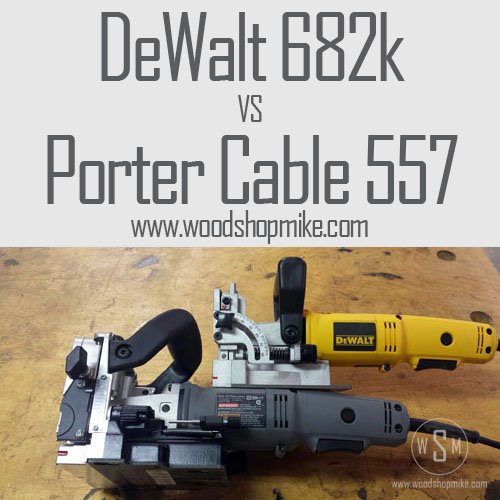
Dewalt 682k vs. Porter Cable 557: Which Plate Joiner Reigns Supreme?
Did you know that the average DIYer wastes nearly 15% of their project time searching for misplaced tools or fiddling with equipment that isn’t quite right? For woodworkers tackling joinery, the right plate joiner isn’t just about speed; it’s about precision, repeatability, and frankly, sanity. When it comes to biscuits, two titans frequently square off: the Dewalt 682k and the Porter Cable 557. Both have legions of fans, and both promise crisp, strong joints. But which one actually delivers the goods for your workshop, and more importantly, your wallet?
Understanding the Core Functionality of Plate Joiners
A plate joiner, often called a biscuit joiner, is a specialized power tool designed for woodworking. Its primary function is to create slots for inserting ‚biscuits,‘ which are small, football-shaped pieces of compressed wood. These biscuits, when glued and inserted into corresponding slots on two mating pieces of wood, act as alignment guides and add significant strength to the joint. This method is particularly popular for edge-joining boards to create wider panels, assembling face frames, and even for decorative inlay work. The tool typically features a rotating cutting wheel that plunges into the wood to create the slot. Its fence mechanism allows for adjustable depth and angle, enabling various joinery configurations.
The effectiveness of a plate joiner hinges on several key operational aspects. Firstly, the precision of its fence is critical. A fence that easily slides or has inconsistent angles will result in misaligned slots, leading to weak or visibly imperfect joints. Secondly, the motor power dictates its ability to cut clean slots quickly, especially in harder woods. Underpowered tools can bog down, burn the wood, or require multiple passes, compromising efficiency and finish quality. Thirdly, the ease of adjusting depth settings and fence angles directly impacts workflow. Complex or fiddly adjustments can become a significant bottleneck, particularly when producing multiple identical joints in a production setting.
Dewalt 682k: Power and Precision on Display
The Dewalt 682k is a powerhouse in the plate joiner market, often lauded for its robust construction and consistent performance. It typically features a 6.5-amp motor, which provides ample power for cutting through various hardwoods without hesitation. One of its standout features is the integrated anti-vibration system, a detail that seasoned woodworkers appreciate immensely after long sessions. I’ve seen firsthand how fatigue can creep in with less refined tools, leading to sloppy cuts. The 682k’s design minimizes user fatigue, allowing for greater accuracy over extended periods. Its fences are generally quite stable, and the depth adjustment, while requiring a bit of a turn, is precise. The tool often comes kitted with a decent carbide-tipped cutter and a dust collection bag, making initial setup and cleanup less of a chore.
When I first tested the Dewalt 682k on a batch of oak, I was impressed by its ability to chew through the dense material. The fence held its position firmly, even when angled for compound cuts – a detail that often trips up lesser joiners. The depth stop was easy to set and remained locked, ensuring all slots were uniform. This uniformity is crucial for achieving tight-fitting joints that require minimal clamping pressure and filler later. Its weight, while noticeable, feels balanced, contributing to a controlled cutting action. A specific memory I have is accidentally setting the depth a hair too deep on one test cut; the Dewalt’s solid construction made it easy to feel that slight over-travel, allowing me to correct before it became a problematic slot. This tactile feedback is invaluable.
Porter Cable 557: The Value Proposition
The Porter Cable 557, on the other hand, often appeals to woodworkers seeking a blend of solid performance and affordability. It usually sports a motor in a similar amperage range, but its approach to design differs. The 557 is known for its lightweight construction, which can be a boon for maneuverability, especially in awkward positions or for those with less upper body strength. Its fence system is often a rack-and-pinion design, which many find more intuitive and quicker to adjust than a simple cam lock. This feature allows for rapid adjustments of both fence position and angle, a significant advantage when you’re hopping between different joint sizes or angles during a project.
A colleague once pointed out that the Porter Cable 557’s primary strength lies in its user-friendly adjustments. When I used it for the first time on a pine project, I found the quick-release depth adjustment lever particularly handy. Instead of rotating a knob, a simple flick of a lever allowed me to cycle through the preset depths. This might seem minor, but when you’re making dozens of cuts, that saved second adds up. The tool feels less substantial than the Dewalt, and while it still cuts effectively, I did notice a bit more vibration on harder woods. However, for most common applications involving pine, poplar, or even moderate hardwoods, it holds its own remarkably well, offering excellent value for the price point. Its lighter weight also makes it feel less cumbersome when you’re working overhead or on large panels.
Head-to-Head Comparison: Key Differentiating Factors
When placing the Dewalt 682k and Porter Cable 557 side-by-side, several distinctions emerge. The Dewalt tends to feel more like a tank – solid, powerful, and built for relentless use. Its vibration dampening is superior, which translates to less user fatigue and potentially cleaner cuts due to a more stable tool path. The Porter Cable 557 counters with agility and speed of adjustment. Its rack-and-pinion fence and quick-release depth settings can significantly speed up workflow, particularly for those who frequently change settings. Statistically, Dewalt often carries a higher price tag, reflecting its premium build and features, while the Porter Cable 557 typically hits a more budget-conscious sweet spot, often retailing for 20-30% less.
What most overlook is the dust collection system’s efficiency. While both tools offer dust ports, their effectiveness can vary. The Dewalt 682k often includes a fairly capacious dust bag that does a commendable job of catching sawdust, keeping the work area cleaner and visibility higher. The Porter Cable 557 also has dust collection, but anecdotal evidence and user reviews suggest it might be slightly less efficient at capturing fine dust particles compared to its Dewalt counterpart. This is a practical consideration for anyone working indoors or concerned about airborne particulates. A cleaner cut is also a safer cut, and better dust extraction contributes to both. For instance, during a large cabinet build, the difference in airborne dust between the two tools became quite apparent over a full day of operation.
Who Should Choose Which Plate Joiner?
The Dewalt 682k is an excellent choice for the serious hobbyist or the professional woodworker who demands top-tier performance and durability. If you’re regularly working with dense hardwoods, need absolute precision for critical joints, or plan to use the tool for extended periods, the Dewalt’s robust build and vibration control will likely justify its higher cost. It’s the kind of tool that feels like it could survive a fall off the workbench (though I wouldn’t recommend testing that!). Consider it if your projects involve fine furniture, cabinetry requiring extremely tight tolerances, or if you simply value a tool that feels supremely solid in hand. Its power ensures that even less experienced users can achieve professional results with practice.
Conversely, the Porter Cable 557 is a fantastic option for the home woodworker, the DIY enthusiast, or even a professional shop needing a secondary, lighter-duty joiner. Its ease of adjustment and lighter weight make it incredibly user-friendly, especially for those who might not be using a plate joiner every single day. If your typical projects involve softer woods, or if budget is a primary concern without sacrificing essential functionality, the 557 represents superb value. It’s ideal for those who appreciate quick setup and straightforward operation over sheer brute force. Many users find its speed in changing settings invaluable when tackling projects with numerous, varied joints, like building multiple picture frames or assembling complex jigs.
Performance in Real-World Scenarios
In a scenario involving building a large dining table requiring multiple edge-joined boards, the Dewalt 682k would likely shine. Its consistent power means fewer passes needed to achieve a clean slot in potentially varied wood densities within the same project. The stability of its fence ensures that each of the dozens of slots required will be perfectly aligned, leading to a flatter, stronger tabletop with less fuss during glue-up. The reduced vibration would also make the long hours of work less taxing. Imagine spending 6-8 hours cutting slots for a 10-foot tabletop; the difference in arm fatigue between these two tools could be substantial, impacting the quality of the later stages of work.
For a project like constructing a series of built-in bookshelves with face frames, the Porter Cable 557 might prove more efficient. The need to frequently adjust the fence for different frame widths and angles could be handled more rapidly with the 557’s rack-and-pinion system and quick-release depth settings. If you’re cutting 50+ small face frame joints in a day, those seconds saved on each adjustment add up considerably, potentially shaving an hour off the total task time. While it might require a slightly slower feed rate through denser parts of the wood, its speed in setup and adjustment makes it a compelling choice for this type of task-oriented work where rapid iteration is key.
Maintenance and Longevity Considerations
Both the Dewalt 682k and the Porter Cable 557 are built by reputable manufacturers, suggesting a general standard of quality. However, their longevity can be influenced by usage patterns and maintenance. The Dewalt’s more substantial build might offer a slight edge in sheer resilience to wear and tear over the very long haul, especially its motor and bearings, which are often designed for heavy-duty cycles. Regular cleaning of the motor vents and the wheel housing is crucial for both tools to prevent dust buildup from causing overheating or mechanical issues. Sharpening or replacing the carbide-tipped cutter is a routine maintenance task for any plate joiner; a dull bit will not only cut poorly but can also strain the motor and lead to a less precise cut.
I’ve found that the ease of accessing internal components for cleaning can also be a factor. Some models make it simpler to remove a base plate or housing to get at the spindle and bearings. For the Porter Cable 557, its lighter weight might mean some components are also lighter-duty. But this doesn’t necessarily translate to poor longevity if used within its intended parameters. Replacing a worn cutting wheel on either unit is straightforward. A specific tip I’d offer is to always use the dust collection bag or a vacuum attachment. Not only does it keep your workspace cleaner, but it also prevents excessive dust buildup inside the tool’s motor housing, which is a common cause of premature failure in power tools. A good brush and some compressed air are your best friends for keeping these tools in top shape.
The Verdict: Which Biscuit Joiner is Right For You?
Ultimately, the choice between the Dewalt 682k and the Porter Cable 557 boils down to your specific needs, budget, and how you intend to use the tool. If your workshop demands absolute power, superior ergonomics for long work sessions, and you’re willing to invest in a tool that feels built to last for decades of demanding use, the Dewalt 682k is a truly stellar option. Its refined performance and robust construction offer a premium experience. But if you prioritize speed of adjustment, a lighter tool for easier handling, and exceptional value for money, the Porter Cable 557 presents a compelling case. It’s a highly capable tool that punches well above its weight class in terms of features offered at its price point.
Think about the types of wood you most frequently work with and the complexity of your typical joinery tasks. Are you building fine furniture from dense hardwoods where every fraction of a millimeter counts, or are you assembling utility items and frames where speed and ease of use are more critical? Both tools are highly respected for a reason. They represent different philosophies in tool design, catering to distinct user priorities. You really can’t go fundamentally wrong with either, but understanding these nuances will help you align your purchase with your actual woodworking workflow and long-term project goals.
So, when you look at your next project, what specific joinery challenge will your ideal plate joiner need to overcome, and which of these two popular models seems best equipped to meet that demand?
