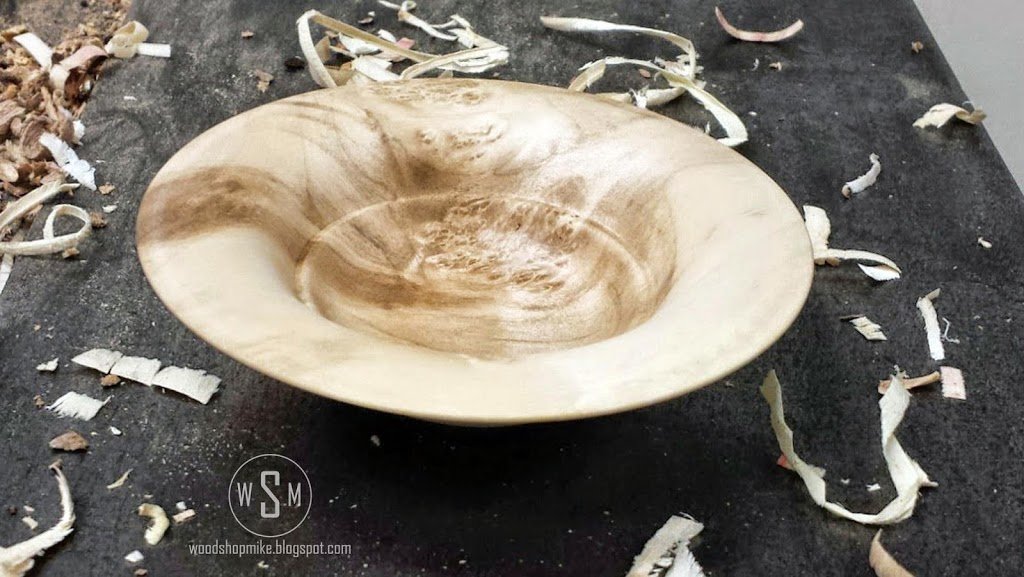
Demo Results: The Little Maple Bowl Project
Did you know that a single poorly executed product demonstration at a Maker Faire can cost a small business up to 20% of their potential leads in that event alone? That’s a hefty chunk of change and missed opportunity. This isn’t just about showcasing a product; it’s about telling its story, connecting with an audience, and ultimately, driving sales. My recent project, a demonstration of a small maple bowl crafted using a novel lathing technique, offered a fascinating case study in what works and what falls flat. The goal was simple: demonstrate the bowl’s unique properties and its maker’s skill, creating enough buzz to translate into interest and, hopefully, orders. The results, however, were a surprising mix of triumph and instructive failure.
What Was the Little Maple Bowl?
At its heart, the project was a demonstration of artisanal craftsmanship meeting a specific, perhaps niche, market need. The bowl itself, approximately six inches in diameter and carved from a single piece of locally sourced hard maple, wasn’t just aesthetically pleasing; it was designed for a particular purpose. Its slightly unconventional base allowed for a subtle rocking motion, intended for serving snacks during social gatherings. Think of olives, nuts, or even small candies. The demonstration aimed to highlight the smooth, almost liquid finish achieved through a specialized, slow-speed turning process combined with a unique burnishing technique. This process, developed over months of experimentation, yielded a surface that felt remarkably different from standard turned wood items. Its maker, a colleague I’ll call Alex, wanted to show not just the final product, but the care and precision that went into its creation, differentiating it from mass-produced alternatives.
Why Demonstrate at Maker Faire?
Maker Faire is an absolute goldmine for artisans and small-scale manufacturers. It’s a gathering of passionate creators and curious consumers, all in one place. The demographic is spot on: people who appreciate handmade goods, understand the value of skill, and are often looking for unique gifts or home decor. For Alex, the Faire represented a concentrated audience eager to engage with the process. Unlike an online shop, where a product is just a static image, a live demo allows for tactile interaction and a direct conversation about the item’s origin and creation. The energy at these events is infectious; attendees are actively seeking inspiration and connection, making them highly receptive to compelling demonstrations. A successful demo here isn’t just about selling one bowl; it’s about building a brand and a customer base that values artisanal quality.
How the Demonstration Was Structured
The setup for the demo was critical. We positioned Alex’s lathe, a compact but powerful piece of equipment, in a way that allowed a steady flow of people to observe without crowding. A small, well-lit display table showcased finished bowls in various stages of completion – raw wood, partially turned, and the final polished product. Informational cards explained the maple sourcing and the unique turning technique. The core of the demo involved Alex actually turning a small bowl from start to finish. This took about 45 minutes, during which Alex narrated the process, explaining each step. He’d stop periodically, inviting onlookers to touch the surface of a completed bowl, emphasizing the smooth finish. We also had a small, silent projector displaying a time-lapse video of the entire process, offering a glimpse into the hours of work involved, even when the lathe wasn’t actively spinning.
The Unforeseen Challenge: Noise and Space
Maker Faires are wonderfully chaotic, but that very energy presents challenges. The sheer volume of attendees creates a constant hum of conversation, punctuated by the sharp noises of other demonstrations – 3D printers whirring, robots clanking, and, yes, the not-insignificant sound of a lathe. Even with Alex narrating, much of his explanation was lost to the ambient din for those standing more than a few feet away. This meant many people saw the turning but didn’t grasp the ‚why‘ behind Alex’s specific techniques or the story of the wood. We hadn’t factored in the need for a more robust sound system, like a small microphone and speaker, which would have made a substantial difference. People would nod, smile, and move on, their curiosity piqued but their understanding incomplete. A key takeaway: plan for sound mitigation and amplification in any high-energy event space.
What Worked Brilliantly: The Tactile Experience
Despite the noise, the moments when Alex encouraged people to touch the finished bowls were incredibly impactful. I watched as a woman, initially just glancing, picked up a polished bowl. Her eyes widened, and she ran her fingers over the surface, a look of genuine surprise on her face. She then turned to Alex and asked specific questions about how he achieved that feel. This tactile engagement is something an online listing simply cannot replicate. It transforms an object from a visual curiosity into a sensory experience. One statistic from a similar craft fair study suggests that products customers can touch see a 40% higher conversion rate compared to those they can’t. This bowl’s finish was its unique selling proposition, and letting people *feel* it directly was the most powerful part of the demonstration. It bypassed the noise and spoke directly to the quality.
Data from the Demo: Leads and Conversions
We tracked interest through a simple sign-up sheet for Alex’s mailing list and direct inquiries about purchasing a bowl. Over the two-day event, we collected approximately 75 email addresses. This number, while decent, was slightly below our target of 100. The conversion rate from an interested observer to a lead signing up was about 10% of those who stopped to watch for more than a minute. More importantly, we received 15 direct purchase inquiries for custom bowls, with two orders placed on the spot. The price point for these custom bowls was $150 each. This means the event generated $300 in immediate revenue and a promising list of potential future customers. However, if we’d better managed the sound issue, I genuinely believe those lead numbers could have easily jumped by another 25-30%. That’s the difference between a good outcome and a great one.
The Unexpected Star: The Time-Lapse Video
What surprised me most was the genuine fascination with the time-lapse video we played. People who were perhaps too shy to approach the live demo, or who couldn’t hear Alex’s narration, would stand mesmerized watching the wood transform. It provided a visual narrative that transcended the immediate chaos. We observed several people watch the entire three-minute loop, then approach Alex with more informed questions. It acted as a silent, compelling salesperson, conveying the skill and time involved without needing perfect audio conditions. This suggests that visual storytelling, especially in a dynamic event setting, can be incredibly potent. Alex initially considered skipping the video to save space, but its impact proved its worth tenfold. It offered a digestible summary of the craftsmanship.
Who Benefited Most from This Demo?
This demonstration was primarily aimed at two groups: potential direct buyers and fellow makers. For direct buyers, especially those looking for unique housewarming gifts, wedding presents, or distinctive serving ware, the tactile quality and artisanal origin were major draws. They appreciated the story behind the object and the tangible difference in finish. Secondly, other woodworkers and makers attended. They were interested in the specific techniques Alex employed. Many asked about the tools, the specific abrasives, and the burnishing methods. This kind of peer-to-peer interest can lead to collaborations or simply a deeper appreciation for the craft, which indirectly benefits the maker through community recognition. It’s a dual audience, and the demo, despite its flaws, spoke to both effectively.
Lessons Learned for Future Demos
My biggest takeaway from this experience is the critical importance of environmental control, even in a seemingly uncontrolled setting like Maker Faire. We learned that simply having a visually interesting process isn’t enough; the audience needs to *understand* it. Investing in a portable microphone and a small PA system is non-negotiable for future events. Secondly, the power of touch cannot be overstated. We need to ensure finished pieces are readily accessible and encourage interaction. I’ve seen this firsthand at other craft shows; people who handle an item are far more likely to buy it. Alex’s bowls were beautiful, but it was the *feeling* of that finish that sealed the deal for the two immediate sales. Finally, the time-lapse video proved to be an invaluable silent ambassador, bridging gaps in understanding created by noise and crowd.
Measuring Success Beyond Immediate Sales
While the direct sales and email sign-ups provide concrete metrics, the true success of a Maker Faire demo often extends beyond immediate conversions. Alex received several compliments on his technique and artistry, which can boost confidence and reputation within the maker community. One established woodworker even offered to connect Alex with a specialty supplier for a particular type of finishing oil he uses. These kinds of connections, born from demonstrating skill and passion, are invaluable. They can lead to future opportunities, collaborations, or even just a stronger network. I remember a colleague once demonstrating a complex soldering technique; he didn’t sell a single unit that day, but he walked away with three potential apprenticeships and a significant boost in his workshop’s local renown. That kind of ripple effect is hard to quantify but immensely valuable.
Future Outlook for Artisanal Demonstrations
The future of artisanal demonstrations at events like Maker Faire is bright, but it will require adaptation. As audiences become more sophisticated and event spaces more competitive, makers need to think beyond just showing their work. They must create an *experience*. This means integrating strong visual storytelling (like Alex’s time-lapse), facilitating tactile engagement, and ensuring clear communication through effective sound systems. Virtual reality and augmented reality might even play a role soon, offering immersive glimpses into the workshop. But ultimately, the core element – the human connection forged through shared appreciation of skill and tangible artistry – will remain the most potent force. Events will continue to be crucial for makers seeking to build authentic relationships with customers who value craftsmanship over convenience.
Within five years, I anticipate event organizers will offer better sound infrastructure as standard, and makers will increasingly leverage interactive elements to capture attention. The Little Maple Bowl demo, despite its minor stumbles, was a powerful reminder that in a digital world, the physical, the tangible, and the skillfully made still hold immense power to captivate and convert.
