Why is tool foam often overlooked in professional workshops?
Did you know that the average mechanic spends nearly 10% of their workday searching for misplaced tools? That’s a staggering amount of lost productivity, often stemming from disorganization. Tool foam, a seemingly simple organizational solution, is frequently dismissed as a nicety rather than a necessity. However, its impact on efficiency, tool longevity, and safety is far more profound than most imagine. It’s not just about keeping things tidy; it’s about optimizing workflow and protecting your valuable investments.
What exactly is tool foam and how does it work?
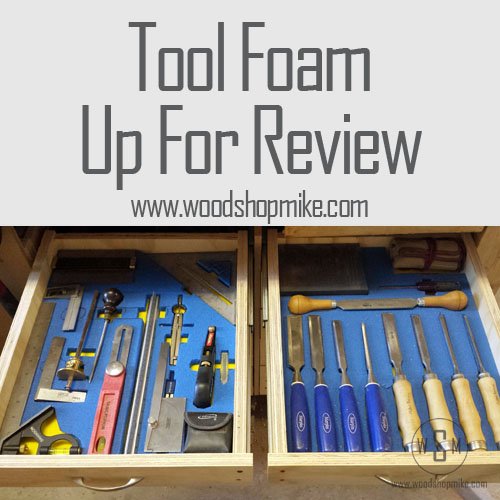
Tool foam, also known as shadow board foam or cellular foam, is a high-density, closed-cell material designed to hold tools securely in place. It typically comes in layers, often with a contrasting color beneath the top layer. The user cuts out shapes corresponding to each tool, creating a precise silhouette. When a tool is removed, its ’shadow‘ remains visible, immediately indicating if it’s missing. This visual cue is crucial. Think of a busy auto repair shop; a technician needs a specific torque wrench. If it’s not in its designated spot, the shadow tells them instantly. This prevents time wasted rummaging through drawers or toolboxes and reduces the risk of using the wrong tool for a job, which can lead to damage or injury. The foam’s density prevents tools from shifting during transport, and its closed-cell nature means it resists oil, grease, and common workshop solvents, making it easy to clean and maintain.
Why should professionals invest in tool foam organization?
The primary driver for adopting tool foam is the dramatic boost in operational efficiency. When every tool has its designated, visible home, technicians can locate what they need in seconds, not minutes. This isn’t a minor convenience; it translates directly into increased throughput. A study by the Association for Manufacturing Technology found that improved tool access could reduce non-productive time by up to 15%. Imagine a manufacturing line where each station is equipped with foam-organized toolkits. Instead of pausing for a lost socket wrench, the operator sees the empty shadow, retrieves the tool swiftly, and continues without interruption. Beyond speed, there’s the aspect of tool preservation. Tools stored loosely can bang against each other, causing nicks, scratches, and accelerated wear. Foam cushioning protects these precision instruments, extending their lifespan significantly. A premium set of Snap-on wrenches, for instance, can cost thousands of dollars. Protecting that investment is just smart business. Furthermore, the safety implications are considerable. A misplaced sharp tool or heavy equipment can easily lead to accidents. Foam organization ensures tools are stored safely and are accounted for, especially critical in environments where safety is non-negotiable, like aerospace maintenance or medical device manufacturing.
How does tool foam enhance workshop safety protocols?
Workshop safety is often about anticipating hazards, and a disorganized tool area is a breeding ground for them. Tool foam directly addresses this by providing a visual inventory system. When a critical tool, such as a specialized surgical instrument or a high-voltage electrical tester, is missing from its foam slot, it’s immediately apparent. This prompts an immediate search, preventing the tool from being left in a patient, a piece of machinery, or a hazardous location. I’ve seen this firsthand in a fabrication shop; a welder was looking for a specific grinding disc. The empty slot in the foam organizer was the first clue that it hadn’t been returned to its charging station, and a quick check found it precariously balanced on a scaffold, a clear safety hazard averted thanks to that visual prompt. This visual confirmation drastically reduces the chance of accidental re-use of a tool that is still in situ or improperly stored, a common cause of workplace injuries. It also discourages the casual ‚borrowing‘ of tools without tracking, which can lead to tools being left in unexpected places.
What are the different types of tool foam available?
The market offers a few main varieties, each suited to different needs and budgets. The most common is the dual-layer, high-density polyethylene (HDPE) foam, often seen in professional kits. This type is durable, resistant to chemicals, and easy to cut with specialized knives or even laser cutters for intricate designs. Then there’s the multi-layer variety, which offers even more visual contrast and can be used for more complex tool arrangements. Some foams are anti-static, crucial for electronics repair environments where electrostatic discharge can destroy sensitive components. A colleague once pointed out how vital anti-static foam was in their IT repair business; a single misplaced standard foam could have cost them thousands in damaged motherboards. Another option is EVA (ethylene-vinyl acetate) foam, which is a bit softer and more flexible, often used for lighter-duty applications or in DIY shadow boards. The choice often comes down to the specific tools being stored, the environmental conditions of the workspace, and the required level of protection.
Who benefits most from using tool foam organizers?
While any professional workshop can gain advantages, certain trades see the most significant returns. Machinists and CNC operators, who rely on a vast array of precise cutting tools and measurement instruments, find that foam organizers prevent costly errors and damage. Mechanics, especially those working on complex systems like aircraft or high-performance vehicles, benefit immensely from the rapid tool identification and safety checks facilitated by foam. Electricians can keep their specialized testing equipment and insulated tools organized and readily accessible, a critical safety and efficiency factor. Even in fields like jewelry making or watch repair, where tiny, intricate tools are the norm, custom-cut foam provides unparalleled organization and protection. Basically, if your livelihood depends on having the right tool, quickly and safely, then tool foam is likely a worthwhile investment. The more specialized and expensive the tools, the greater the justification for using foam to protect them.
Can tool foam really pay for itself through cost savings?
Absolutely. The return on investment (ROI) for tool foam often surprises even skeptics. Let’s break down the cost savings. First, there’s the reduction in lost or damaged tools. If a $200 specialized driver bit goes missing because it rolled under a bench, that’s a direct loss. Foam prevents this. If a $500 torque wrench is dropped or damaged by being stored improperly, that’s another hit. Foam mitigates this risk. Then there’s the productivity gain. Consider a mechanic who bills $100 per hour. If they save just 15 minutes per day searching for tools, that’s an extra $25 in billable hours each day, or over $6,000 per year per mechanic, assuming a 250-day work year. This easily offsets the cost of a professional foam organizer kit, which can range from $100 to $500 depending on size and complexity. Furthermore, reducing tool damage means fewer replacements and less downtime for repairs. When I first set up my home workshop, I was hesitant to spend on foam organizers. But after a year, I calculated I’d saved hundreds on replacing lost small parts and bits, not to mention the sheer relief of knowing exactly where everything was. It was a no-brainer.
How does one correctly cut and implement tool foam?
Implementing tool foam effectively requires a systematic approach. First, gather all the tools you intend to store. Lay them out on the top layer of the foam and arrange them logically – group similar tools together, or arrange them in order of use for specific tasks. Once you’re satisfied with the layout, trace each tool onto the foam. For a clean cut, a sharp utility knife or a dedicated foam cutting tool is best. Many professionals use a process of cutting out sections for each tool. This typically involves scoring the top layer along the traced outline, then cutting down to the contrasting layer, and finally removing the excess foam in sections. Some advanced users employ hot wire cutters or even CNC machines for perfect, repeatable results, especially in high-volume production environments. The key is precision. A snug fit prevents tools from rattling around, but it shouldn’t be so tight that it’s difficult to remove the tool. Test the fit of each tool as you go. A common mistake is cutting too deep or too shallow, or not getting a clean outline, which makes the final result look messy and less functional. Patience is genuinely a virtue here.
What are some common mistakes to avoid when using tool foam?
One frequent pitfall is not planning the layout adequately before cutting. Technicians sometimes just start cutting without thinking about workflow, leading to an inefficient arrangement. Another error is using dull cutting tools, resulting in jagged edges and a poor fit for the tools. This makes retrieval difficult and can even damage tool handles over time. I’ve seen foam where the cuts were so ragged, it looked like a beaver had gone to town on it. It defeats the purpose of a professional setup. Overcrowding is another issue; trying to cram too many tools into a single foam panel leads to them bumping against each other and makes identification harder. It’s often better to use multiple smaller foam panels than one overloaded large one. Finally, failing to account for tool expansion or accessories, like a drill bit holder or a specific socket adapter, can mean having to recut the foam later, wasting time and material. Always think a step ahead about what else you might need.
When is the best time to switch to a tool foam organization system?
The ideal time to implement tool foam is during the initial setup of a new workshop or toolbox. This allows for a clean slate and proper planning from the outset. However, it’s also highly beneficial when existing organization methods are clearly failing. Signs include frequent tool searching, a high rate of tool damage or loss, or recurring safety concerns related to tool storage. Many professionals make the switch after experiencing a significant frustration, like being unable to find a critical tool during a time-sensitive repair, or after a costly mistake caused by using the wrong tool. A small business owner in custom metal fabrication once told me they switched after a valuable client project was delayed by two days simply because a specialized jig was misplaced. That delay cost them more in lost goodwill and potential future business than a comprehensive foam system ever would. Waiting for a crisis is rarely the most cost-effective strategy, but it’s often what prompts the change.
Are there any surprising advantages of tool foam beyond basic organization?
Unexpectedly, tool foam can contribute to a greater sense of professionalism and pride in one’s work. A meticulously organized toolkit signals attention to detail and competence to clients and colleagues. It fosters a mindset of care and respect for equipment, which can subtly influence work quality. Some artisans find that the act of carefully placing tools back into their designated foam slots becomes a mindful ritual, contributing to a more focused and less stressful work experience. It’s almost meditative. This psychological benefit, while harder to quantify, is real for many skilled tradespeople who spend their days engaged in demanding, often repetitive tasks. The visual order can bring a sense of calm and control to a potentially chaotic environment.
Consider a scenario in a high-end automotive restoration shop. A customer arrives to pick up their meticulously restored classic car. The lead technician, presenting the completed work, opens the toolbox to reveal rows of gleaming tools, each perfectly nestled in its shadow foam slot. This presentation isn’t just about tidiness; it’s a visual confirmation of the precision and care invested in the restoration. It reinforces the value proposition and builds client confidence. While the initial outlay for tool foam might seem like an expense, the long-term benefits in efficiency, tool longevity, safety, and even professional image make it a remarkably sound investment for any serious tradesperson. The future of workshop organization is clearly moving towards smarter, more visual, and more protective solutions, and tool foam stands as a prime example.
