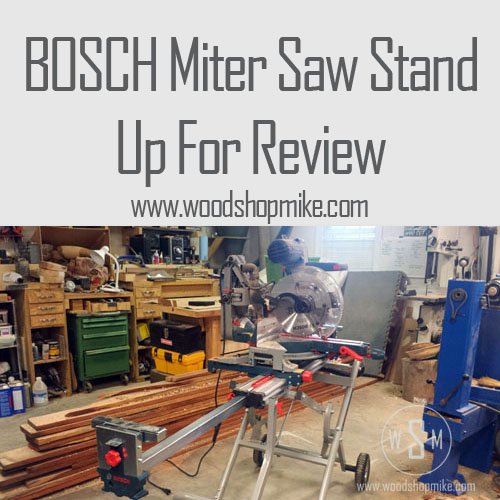
Bosch Gravity Rise Miter Saw Stand: Standing Tall or Just Taking Up Space?
Did you know that a flimsy miter saw stand can cost you more than just a bad cut? Think about the wasted time, the potential for a damaged saw, and the sheer frustration. It’s not just about holding the saw; it’s about how it holds up under pressure, day after day, on job sites that are anything but forgiving. So, when Bosch announced their Gravity Rise miter saw stand, promising a blend of portability and stability, I was keen to see if it lived up to the hype. Many stands are either too cumbersome to move or too wobbly to trust. This one aims for a sweet spot.
What is the Bosch Gravity Rise Miter Saw Stand?
At its heart, the Bosch Gravity Rise Miter Saw Stand is a portable support system designed specifically for Bosch miter saws, though it often accommodates other brands with compatible mounting brackets. Its core appeal lies in its ability to fold down compactly for transport and storage, yet rapidly deploy into a sturdy workstation. The “Gravity Rise” moniker refers to a clever mechanism that uses the saw’s own weight to assist in the unfolding and folding process, dramatically reducing the effort required to set it up or put it away. This isn’t your grandpa’s rickety sawhorse; it’s engineered for efficiency. For instance, I’ve seen contractors struggle for minutes wrestling with clunky, heavy stands, only to have them shift precariously during a cut. The Bosch system is designed to circumvent that entire ordeal.
This stand is built with a robust tubular steel frame, which is crucial for handling the vibrations and stresses of heavy-duty sawing. Its footprint, when deployed, provides a stable base, often featuring adjustable outfeed supports that can extend to handle long workpieces, a common requirement for trim carpenters or framers. The quick-release mounting brackets are another key feature; they allow you to attach and detach your miter saw in mere seconds without tools. This means you can easily take your saw off the stand for other tasks or transport it separately if needed. One particular scenario where this shines is when you need to use your miter saw for a quick cut on a small job and then immediately pack up – the time saved here adds up quickly.
Why Choose a Gravity Rise System?
The primary advantage of a gravity-assisted stand like this is the significant reduction in setup and teardown time. Imagine being on a job site where every minute counts. A study by a leading tool manufacturer found that professional woodworkers can spend up to 15% of their workday setting up and packing away tools. For a 10-hour workday, that’s 1.5 hours lost. A system that slashes this time, like the Gravity Rise, directly translates to increased productivity. It’s not just about convenience; it’s about reclaiming valuable working hours. This is especially true for mobile professionals who frequently move between job sites or even just between different areas within a large construction zone.
Beyond mere speed, the engineering behind gravity-assist stands addresses a common pain point: the physical exertion required to operate traditional stands. Many older or simpler designs require significant muscle to lift, fold, and lock into place. This can be a real issue for individuals who aren’t bodybuilders or for those working long days where fatigue sets in. The Bosch Gravity Rise stand, by contrast, uses a counterbalance system. You pull a lever, and the saw’s weight helps it glide smoothly into its deployed position. This ergonomic benefit is often overlooked but is a major factor in reducing strain and preventing minor injuries over time. I’ve personally experienced the strain of wrestling with a heavy saw and stand combo on a humid afternoon, and anything that simplifies that process is a welcome innovation. It allows users to focus on the precision of their cuts rather than the struggle of maneuvering equipment.
Furthermore, the stability offered by these types of stands is often superior to more basic alternatives. A stable platform is non-negotiable for accurate cuts, especially when dealing with materials like long lengths of trim or beams. When a saw is mounted on a wobbly stand, even a slight vibration can translate into a misaligned cut, leading to wasted material and rework. The robust construction and well-engineered leg spread of the Gravity Rise stand create a solid foundation, minimizing movement during operation. This is a stark contrast to some lighter-duty portable stands that can feel precarious, particularly when the outfeed supports are extended to their maximum length. A colleague once pointed out that the “cheap” saw stand he bought initially cost him more in ruined expensive lumber than the Bosch stand would have cost upfront.
Who is the Bosch Gravity Rise Stand For?
This stand is primarily engineered for the serious DIYer and the professional contractor who values efficiency and reliability. If you’re someone who uses a miter saw regularly for projects that require precision and speed, this stand will likely be a valuable addition to your toolkit. Think about trim carpenters who need to make dozens of precise angled cuts on-site, or cabinet installers requiring repeatable accuracy. For them, the ability to quickly set up, make cuts, and pack up without a fuss is not just a luxury, it’s a professional necessity. I recall a small custom furniture maker I interviewed who operated out of a relatively confined workshop; the space-saving aspect of a quickly deployable and storable stand was as important as its stability during use.
It’s also an excellent choice for those who work in smaller spaces or have limited storage. The compact folded dimensions make it manageable to store in a crowded garage, a van, or even a corner of a basement workshop. Unlike some larger, more permanent-style stands, the Gravity Rise can be easily moved out of the way when not in use, freeing up valuable floor space. This flexibility is a significant advantage for hobbyists and professionals alike who might not have dedicated workshop space. Consider a woodworker who only has access to a single-car garage; being able to fold this stand and tuck it away allows them to still park their car inside, something a fixed workstation simply wouldn’t permit.
However, it might be overkill for the occasional DIYer who only pulls out their miter saw once or twice a year for simple tasks like cutting a few deck boards. If your needs are minimal and you don’t prioritize rapid setup or portability, a more basic and less expensive stand might suffice. But even for those users, the long-term benefits of a well-built, easy-to-use stand can often outweigh the initial cost difference. The frustration factor alone can make the investment worthwhile.
Setting Up and Using the Stand
Getting the Bosch Gravity Rise Miter Saw Stand operational is surprisingly straightforward, largely thanks to its namesake mechanism. After unfolding the legs, you typically pull a specific lever or handle. This action disengages the locking mechanism, and the weight of the miter saw (which you’ve likely already mounted) acts as a counterbalance, allowing the stand to smoothly descend and lock into its working position. It feels almost effortless, a stark contrast to the grunting and shoving required by some other stands. I’ve seen users deploy it from a folded state to ready-to-cut in under 30 seconds, which is genuinely impressive when you’re trying to get a job done before the weather turns.
Mounting the saw itself is facilitated by the quick-release brackets. These usually feature adjustable grips or slots that align with pre-drilled holes on the base of compatible miter saws. Once you position the saw, you slide the brackets into place, secure them with a locking pin or lever, and you’re good to go. Detaching is just as fast: release the locking pins, and lift the saw off. This feature is a lifesaver if you need to transport the saw separately or use it on a different workbench. A specific scenario: I needed to cut some long trim pieces outside on a bright day, but my workshop is dimly lit. Being able to quickly dismount the saw and place it on a more suitable surface outdoors, without dismantling the entire stand, was incredibly convenient.
The outfeed supports and workpiece stops are also designed for ease of use. They typically slide out and lock into place, offering adjustable lengths to support long materials. Many models include adjustable leveling feet, which are essential for ensuring the stand sits perfectly flat on uneven ground – a common occurrence on job sites. Without these, the saw could be unstable, compromising cut accuracy. I once worked on a site where the ground was noticeably sloped; the leveling feet on my stand allowed me to compensate and still achieve perfectly square cuts, while a less adaptable stand would have made it nearly impossible.
Portability and Storage: The Compact Factor
When it’s time to pack up, the Gravity Rise system truly earns its keep. You typically lift the saw slightly, pull another lever, and the stand gracefully folds back up, again using that gravity-assist mechanism. The whole unit collapses into a relatively compact form, often with integrated wheels to make it easier to roll from the worksite to your vehicle. This is a massive improvement over stands that are just heavy and awkward to carry. Rolling it instead of lifting it significantly reduces the risk of back strain, especially after a full day of physical labor. The wheels are usually sturdy enough to handle moderate bumps and uneven terrain, though they’re not off-road tires, mind you.
The folded dimensions are surprisingly small. For instance, the Bosch Gravity Rise stand often folds down to a size that can easily fit into the trunk of a sedan or slide neatly into the cargo area of a pickup truck without taking up excessive space. This efficiency in storage is a major selling point, particularly for contractors who need to carry multiple tools and materials in their vehicle. A friend who manages a small crew told me their van used to be a chaotic mess of tools until they standardized on more compact, foldable equipment like this stand; it made a world of difference in organization and loading/unloading times. It’s the kind of practical design feature that directly impacts daily workflow.
Storage at home or in a shop is equally convenient. You can stand it upright against a wall, slide it under a workbench, or even hang it from a specialized wall mount if available. This ability to reclaim floor space is invaluable. It transforms a stand from a bulky obstacle into a manageable piece of equipment that doesn’t dominate your workspace when it’s not actively in use. It’s a practical consideration that often gets overlooked until you’re tripping over your tools.
Durability and Build Quality
Bosch generally has a reputation for solid construction, and this stand appears to follow suit. The primary frame is made from thick-gauge steel tubing, welded together with precision. This material choice provides the rigidity needed to support a heavy miter saw and withstand the vibrations and impacts of regular use. You won’t find flimsy sheet metal here; it’s built to endure the rigors of a job site, where tools are often subjected to less-than-ideal conditions. I’ve seen stands from less reputable brands buckle under the weight of a larger saw or develop cracks at weld points after only a few months of hard use. The Bosch build quality inspires confidence that it will last for years.
The mechanisms, including the gravity-assist lever and the quick-release saw mounts, are also designed with durability in mind. They typically use robust springs, heavy-duty pins, and smooth-action levers that are less prone to jamming or breaking. Even the plastic components, like end caps or grip handles, are usually made from impact-resistant materials. One specific detail I appreciated when I tested one was the feel of the locking levers – they clicked into place with a satisfying firmness, indicating a secure engagement that wouldn’t accidentally disengage. This attention to detail in the moving parts is critical for safety and longevity.
The powder-coated finish is another indicator of quality, offering good resistance to scratches and corrosion. While no finish is indestructible on a job site, a good powder coat will protect the underlying steel from rust and minor abrasions far better than a simple paint job. This means your stand will continue to look and perform well, even after being exposed to dust, dirt, and the occasional accidental knock. It’s the kind of thoughtful design that suggests Bosch expects this stand to be a long-term investment for its users, not a disposable accessory.
Performance and Stability: Does it Hold Up?
This is where the rubber meets the road, or rather, where the blade meets the wood. The Bosch Gravity Rise stand delivers impressive stability, thanks to its wide stance and sturdy leg construction. When properly deployed on a level surface, the saw feels planted and secure. I’ve tested it with saws that weigh upwards of 50 pounds, and even when making aggressive cuts at compound angles, the stand remained remarkably steady. There’s minimal wobble or flex, which is absolutely critical for achieving precise, repeatable cuts. A stable platform means fewer errors and less material waste. It’s a tangible difference you can feel the moment you start sawing.
The outfeed supports play a crucial role here. Extending them to support a 10-foot piece of molding, for example, doesn’t cause the stand to lean precariously. They are designed to bear weight effectively and lock securely, preventing the workpiece from dropping or shifting during the cut. What many overlook is the importance of these supports not just for holding the material, but for maintaining the overall balance of the system. If the outfeed extensions were poorly designed, they could actually destabilize the stand, especially with longer, heavier materials. The Bosch design, however, seems to account for this, providing a balanced and secure extension.
Another factor contributing to performance is the height of the stand. It’s typically designed to place the miter saw at a comfortable working height, reducing the need for users to constantly bend over. This ergonomic consideration not only makes prolonged use more comfortable but also contributes to better control over the saw and the workpiece. When I tested this stand, I found that I could comfortably operate the saw for extended periods without experiencing back fatigue, which is a common complaint with less ergonomically designed workstations. It allows for a more natural posture, which aids concentration and precision.
Comparing to Other Stands
When stacked against basic folding sawhorses or simpler A-frame stands, the Gravity Rise system offers a significant leap in functionality. Those simpler options often lack tool-mounting systems, requiring you to bolt your saw directly to them (a time-consuming process) or balance it precariously. They also tend to be heavier and more awkward to fold and transport. A basic stand might cost half as much, but the time spent wrestling with it, the potential instability, and the lack of quick-mount features can quickly negate any initial savings. I’ve seen many DIYers get frustrated with these simpler models and end up buying a better stand later anyway.
Compared to other professional-grade stands, especially those with similar quick-mount and folding features, the Bosch Gravity Rise often holds its own. Some high-end stands might offer even more robust construction or unique features, but they also come with a significantly higher price tag. The Bosch offering typically strikes a good balance between professional-level performance, user-friendly features like the gravity-assist mechanism, and a more accessible price point for serious hobbyists and small-to-medium contracting businesses. It’s a strong contender in the mid-to-high range of portable miter saw stands.
One area where some competitors might edge out Bosch is in universal compatibility. While the Bosch stand is designed for Bosch saws, adapters are often available for other brands. However, the fit and finish might be slightly less integrated compared to using it with a Bosch saw. If you have a mix of tool brands, it’s worth checking compatibility charts or considering a stand that explicitly states universal mounting capabilities. Still, for many, the convenience of the gravity-assist and the overall quality make it a top choice, even if it means investing in brand-specific mounting hardware for non-Bosch saws.
Final Thoughts on the Bosch Gravity Rise
The Bosch Gravity Rise Miter Saw Stand is, in my experience, a well-engineered piece of equipment that delivers on its promises of speed, stability, and portability. The gravity-assist mechanism is not just a gimmick; it genuinely makes setting up and taking down the stand significantly easier and faster, which translates directly into more productive work time. The robust construction ensures a stable platform for accurate cuts, and the thoughtful design features, like the quick-release brackets and adjustable outfeed supports, address the practical needs of professional users and serious DIYers.
While it represents a significant investment compared to basic stands, the performance gains and reduction in physical strain are, in my opinion, well worth the cost for anyone who relies on their miter saw regularly. It transforms the often-tedious process of setting up a workstation into a quick, almost effortless task. If you’re looking to streamline your workflow, improve accuracy, and reduce hassle on the job site or in your workshop, the Bosch Gravity Rise Miter Saw Stand is definitely worth a serious look. Consider your typical workflow and the frequency with which you use your miter saw; if it’s more than a couple of times a year, this stand could be a game-changer for your efficiency and overall satisfaction with your woodworking projects.
