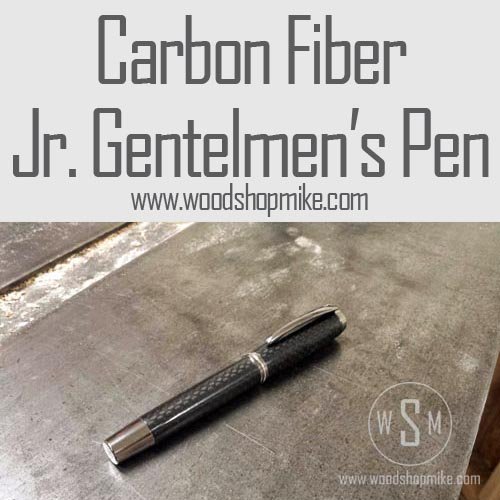
What is the process for transforming a Jr Gentlemens Pen into a carbon fiber masterpiece?
Transforming a Jr Gentlemens Pen into a carbon fiber masterpiece involves a meticulous process, often requiring specialized tools and a keen eye for detail. It’s not simply about wrapping the existing material; it’s about creating a new shell, integrating it, and finishing it to perfection. This journey demands precision, patience, and an understanding of both the pen’s original construction and the unique properties of carbon fiber. Think of it less as a modification and more as a rebirth. A common misconception is that this is a quick DIY project. In reality, achieving a professional-grade finish can take days, even weeks, depending on the complexity and the desired aesthetic. This level of craftsmanship sets these pens apart, making them highly sought-after items for collectors and enthusiasts alike.
Why would someone choose carbon fiber for a Jr Gentlemens Pen?
The allure of carbon fiber for a Jr Gentlemens Pen stems from a powerful combination of aesthetic appeal and superior material characteristics. Carbon fiber offers a distinctive, high-tech look with its characteristic weave pattern, instantly conveying a sense of sophistication and modernity. Beyond its striking appearance, it’s incredibly strong yet remarkably lightweight. This means a carbon fiber pen feels substantial and luxurious in hand without being cumbersome, a critical factor for something designed for extended use, like signing important documents or journaling. For instance, aerospace-grade carbon fiber composites, similar to those used in high-performance aircraft and racing cars, are employed, ensuring exceptional durability. This material is also resistant to corrosion and temperature fluctuations, making it a practical choice for a cherished writing instrument that might be carried daily in various environments. It’s a material that speaks of engineering prowess and discerning taste.
What are the essential steps in crafting a carbon fiber barrel?
Crafting a carbon fiber barrel for a Jr Gentlemens Pen typically begins with creating a precise mold. This mold must accurately replicate the desired dimensions and shape of the pen’s barrel. Next, sheets of carbon fiber fabric, often pre-impregnated with resin (known as ‚pre-preg‘), are carefully laid into the mold. Multiple layers are applied, alternating the weave direction of the fabric to maximize strength and minimize internal stresses. This layering is critical; a single misplaced fiber can create a weak point. After the fabric is laid up, the mold is sealed and placed in a vacuum bag. This vacuum draws out any trapped air and compresses the layers, ensuring a dense, void-free composite. The mold is then cured, usually in a specialized oven at a controlled temperature, to solidify the resin and permanently bond the carbon fibers. One particular challenge I’ve encountered is ensuring consistent resin-to-fiber ratio, which directly impacts the strength and appearance; too much resin leads to brittleness, too little, and the fibers won’t bond properly. This controlled curing process is what gives carbon fiber its legendary strength-to-weight ratio.
How is the carbon fiber shell integrated with the pen’s internal components?
Integrating the newly crafted carbon fiber shell with the Jr Gentlemens Pen’s internal components is a phase demanding surgical precision. The original pen’s core mechanism—the twist or click action, the ink cartridge housing, and any internal weighting—must be carefully extracted. Then, the interior of the carbon fiber barrel is meticulously prepared. This often involves precise machining or the insertion of a precisely fitted liner, typically made of brass, aluminum, or a durable polymer, which then interfaces with the pen’s existing mechanisms. The carbon fiber shell acts as the outer casing, providing both aesthetic appeal and structural integrity. For example, a common technique is to machine a metal sleeve that perfectly matches the inner diameter of the carbon fiber tube, creating a snug fit and providing anchor points for the pen’s moving parts. It’s crucial that this liner is perfectly aligned; misalignment can lead to a stiff or inoperable mechanism. This step ensures the pen’s functionality is preserved, or even enhanced, within its new, high-performance exterior.
What finishing techniques are applied to a carbon fiber pen?
The finishing touches are what truly elevate a carbon fiber Jr Gentlemens Pen from a functional object to a work of art. Once the carbon fiber shell is fitted and the internal components are secured, the exterior receives a series of meticulous treatments. The most common and visually striking finish involves applying multiple coats of a high-gloss, UV-resistant epoxy resin. This clear coat not only protects the delicate carbon fiber weave from scratches and environmental damage but also deepens the visual contrast, making the fibers ‚pop.‘ Each coat is carefully applied and then sanded smooth between applications, a process that can take many hours of painstaking labor. A colleague once pointed out that achieving a mirror-like finish requires absolute cleanliness in the workspace; even a single speck of dust can ruin a coat. Beyond gloss, some artisans opt for satin or matte finishes, achieved through specialized sanding and buffing techniques, offering a more subdued yet equally sophisticated aesthetic. The final polishing stage is critical for that undeniable tactile smoothness.
What tools are indispensable for working with carbon fiber pens?
Working with carbon fiber necessitates a specialized toolkit, far beyond what’s typically found in a home workshop. Precision is the operative word. Essential tools include a high-quality band saw or a specialized Dremel with a diamond-cutting wheel for accurately cutting the carbon fiber tube to length. For achieving perfect inner and outer diameters, a precision lathe is often indispensable, allowing for the shaping of the carbon fiber and the machining of any internal liners. Sanding is another critical step, requiring a range of grit sandpaper, from coarse (around 220) for initial shaping to ultra-fine (up to 12,000 grit) for achieving a flawless polished surface. Vacuum bagging equipment, including a vacuum pump, sealant tape, and breather cloth, is vital for the composite lay-up process. Safety gear, including a respirator mask to avoid inhaling carbon fiber dust and protective gloves, is non-negotiable. I remember one project where the lack of a proper dust collection system meant hours of cleaning and a persistent cough; investing in a good vacuum attachment for the Dremel was a game-changer. Specialized epoxy resins and hardeners, formulated for carbon fiber applications, are also crucial components of this specialized arsenal.
Who is the typical collector or user of a carbon fiber Jr Gentlemens Pen?
The typical collector or user of a carbon fiber Jr Gentlemens Pen often possesses a discerning appreciation for craftsmanship, cutting-edge materials, and understated luxury. They aren’t merely looking for a writing instrument; they’re seeking a statement piece that reflects their personal style and an understanding of sophisticated engineering. This demographic frequently includes professionals, executives, designers, engineers, and, of course, pen aficionados who value unique and high-performance items. For instance, a lawyer might choose such a pen for its durability and sophisticated appearance during client meetings, while an architect might be drawn to its modern, structural aesthetic. These individuals often appreciate the blend of traditional elegance associated with a ‚Gentlemens Pen‘ and the futuristic appeal of carbon fiber. They understand that owning such a pen is a nod to both heritage and innovation. The price point, often reflecting the labor-intensive process, also naturally filters this clientele towards those who can invest in quality and exclusivity.
What are the challenges in achieving a seamless carbon fiber finish?
Achieving a truly seamless finish on a carbon fiber Jr Gentlemens Pen presents several significant hurdles. The inherent nature of carbon fiber, with its layered structure and resin matrix, means that imperfections can easily arise during the lay-up and curing stages. Trapped air bubbles, inconsistencies in resin distribution, or uneven fiber alignment can all mar the final appearance. Furthermore, the process of sanding and polishing carbon fiber requires immense control; aggressive sanding can easily cut through the delicate weave, exposing underlying layers or even damaging the structural integrity. A common pitfall I’ve observed is rushing the epoxy coating process. Applying too thick a coat too quickly can lead to runs, drips, or uneven curing, necessitating extensive rework. Each layer of epoxy needs to cure adequately before the next is applied and sanded. Balancing the need for multiple coats to achieve depth with the risk of introducing flaws demands patience and a steady hand. This is where the true artistry lies, transforming a technically sound piece into something visually arresting.
How does carbon fiber compare to other premium pen materials?
When compared to other premium pen materials like precious metals (gold, silver), exotic woods, or high-grade resins, carbon fiber carves out a unique niche. Precious metals offer undeniable classic luxury and weight, conveying tradition and status. Exotic woods bring natural warmth, unique grain patterns, and an organic feel, appealing to those who appreciate natural beauty. High-grade resins can mimic other materials or offer vibrant, custom colors. Carbon fiber, however, offers a distinctly modern, high-tech aesthetic. Its strength-to-weight ratio is unparalleled; a carbon fiber pen feels robust yet surprisingly light, a balance few other materials can match. For example, a solid gold pen can feel quite heavy over extended writing sessions, while a similarly sized carbon fiber pen might feel perfectly balanced. Its resistance to scratches and environmental factors also surpasses many woods and some resins. While not as ‚warm‘ as wood, its cool, precise feel and distinctive visual pattern resonate with a different, yet equally sophisticated, sensibility. It’s a material that speaks to engineering and performance.
What is the typical cost associated with a custom carbon fiber pen conversion?
The cost associated with a custom carbon fiber conversion for a Jr Gentlemens Pen can vary considerably, but it generally reflects the intricate labor and specialized materials involved. Expect prices to range from several hundred dollars to well over a thousand, depending on the complexity of the design, the quality of the carbon fiber used, and the reputation of the artisan performing the work. This figure accounts for the precise mold creation, the careful lay-up of multiple carbon fiber layers, the vacuum bagging and curing process, the intricate machining for component integration, and the multi-stage finishing and polishing. For a truly bespoke piece, where specific weave patterns or custom-machined metal components are incorporated, the cost will naturally trend higher. A simple conversion might involve using a pre-made carbon fiber tube, while a high-end commission could see the artisan hand-laying every fiber for maximum control and aesthetic. It’s an investment in a unique piece of functional art.
Are there different types of carbon fiber weaves used in pen making?
Indeed, the visual texture of a carbon fiber pen is dictated by the type of weave employed during its creation. The most common is the ‚plain weave,‘ where the fibers crisscross at a 90-degree angle, creating a tight, checkerboard pattern. This weave offers excellent strength and is relatively easy to work with. Another popular option is the ‚twill weave,‘ characterized by its diagonal lines and a more flexible, flowing pattern; it’s often preferred for its distinctive visual appeal and its ability to conform to complex curves. Less common, but striking, are ‚uni-directional‘ weaves, where all fibers run parallel, offering maximum strength along a single axis, though these are typically used in conjunction with other weaves for structural reinforcement rather than as the primary visual element. When I first started learning about composites, I found the twill weave particularly captivating due to its almost snake-like appearance. The choice of weave not only affects the aesthetics but can also subtly influence the material’s mechanical properties, though for most pen applications, the visual aspect is the primary driver.
What maintenance is required to keep a carbon fiber pen looking its best?
Maintaining a carbon fiber Jr Gentlemens Pen is surprisingly straightforward, largely thanks to the inherent durability of the material and its protective finish. The high-gloss epoxy coating, if properly applied and cured, is quite resistant to scratches and fading. The most important aspect of care involves regular, gentle cleaning. Wiping the pen down with a soft, lint-free microfiber cloth after use is often sufficient to remove fingerprints and minor smudges. For more stubborn marks, a slightly damp cloth can be used, followed immediately by drying with the microfiber cloth. It’s advisable to avoid abrasive cleaners or harsh chemicals, as these could potentially dull or damage the clear coat over time. Think of it like caring for a high-end car’s paint job; gentle, consistent care yields the best long-term results. While carbon fiber itself is incredibly strong, the epoxy finish is the primary barrier against cosmetic damage, so protecting that layer is key. Storing the pen in a protective case or pouch when not in use further minimizes the risk of accidental scratches.
What future innovations might we see in carbon fiber pens?
The future of carbon fiber pens holds exciting possibilities, pushing the boundaries of material science and design. We might see advancements in ‚forged carbon fiber,‘ a technique that uses chopped carbon fiber strands mixed with resin to create unique, marble-like patterns, offering a departure from the traditional weaves. Expect innovations in integrated technologies; imagine pens with embedded NFC chips for digital authentication or even haptic feedback mechanisms. Further refinements in resin technology could lead to even more durable, self-healing clear coats, making scratches a thing of the past. Perhaps we’ll see even lighter, stronger hybrid materials, combining carbon fiber with graphene or other advanced composites for unparalleled performance. I recently saw a prototype using a resin that subtly changes hue with temperature variations – imagine a pen whose color shifts as you hold it! The synergy between advanced material engineering and the timeless art of pen making is truly just beginning to be explored, promising even more exquisite and functional writing instruments.
The journey from a standard Jr Gentlemens Pen to one encased in the sleek, high-tech embrace of carbon fiber is a testament to human ingenuity and the pursuit of perfection. It’s a process that marries the precision of engineering with the artistry of finishing, resulting in an object that is as much a pleasure to behold as it is to write with. The continued evolution of composite materials and fabrication techniques suggests that these writing instruments will only become more sophisticated and desirable in the years to come, offering a tangible connection to the cutting edge for those who appreciate fine craftsmanship.
