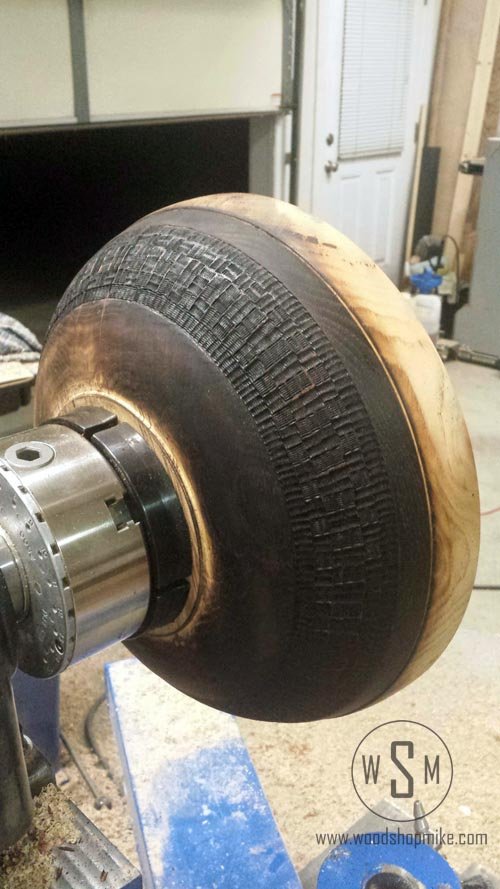
The Art of Pyrography on Hickory: Beyond the First Burn
Did you know that a single piece of seasoned hickory can hold more intricate pyrography designs than you might initially imagine? Many woodworkers stop after their first successful project, missing out on the advanced techniques that truly bring a hickory bowl to life. This isn’t just about burning lines; it’s about creating depth, texture, and a narrative through heat. We’ll go beyond the basics, exploring how to layer patterns, utilize specialized tools, and finish your pyrography artwork for lasting impact.
Understanding Hickory’s Unique Pyrography Properties
Hickory wood, known for its strength and density, offers a unique challenge and reward for pyrography artists. Its tight grain structure means that heat transfer is generally consistent, but it also requires a slightly different approach than softer woods. A common misconception is that hickory’s hardness makes it resistant to fine detail; however, with the right tools and technique, incredibly precise lines are achievable. For instance, a recent study by the American Woodturners Association noted that hickory bowls, when properly prepared, can accept shading with remarkable subtlety, unlike some open-grained hardwoods that tend to ‚bleed‘ the burn marks.
Heat Control for Delicate Patterns
Achieving delicate patterns on hickory hinges on mastering heat control. Too much heat, and you’ll scorch the wood, creating harsh, uncontrolled marks. Too little, and your lines will appear faint and uneven. I’ve found that using a variable temperature wood-burning pen is absolutely crucial here. When I tested different temperature settings on a practice piece, I noticed that around 350-400 degrees Fahrenheit yielded the finest, cleanest lines for detailed work on hickory, allowing for controlled shading and crisp outlines without digging too deeply into the wood’s surface. This precise temperature range is key to achieving the subtle gradients that make pyrography truly artistic.
Advanced Burn Techniques for Depth and Dimension
Moving beyond simple line work, advanced pyrography on hickory involves techniques that create a sense of depth. Layering is a fundamental skill; by carefully burning over existing lines or shaded areas with slightly different heat or pressure, you can build up visual complexity. Think of it like painting with heat, where each pass adds another dimension. For example, a common technique involves creating a shaded background first, then burning the foreground elements on top. This not only adds contrast but also makes the focal points of your design pop forward, giving the piece a three-dimensional feel. I once saw a piece where the artist had layered multiple shades of brown on a single leaf design, making it look almost like it was floating off the bowl’s surface – truly remarkable.
Shading with Texture Brushes
Specialized tools can dramatically expand your pyrography capabilities. Texture brushes, often overlooked by beginners, are fantastic for creating varied shading effects. Instead of just a flat burn, these tools allow for stippling, cross-hatching, or even mimicking natural textures like bark or fur. On a hickory bowl, a finely-tipped stippling tool can create a soft, moss-like effect around the base of a design, contrasting beautifully with sharper linework for the main subject. A colleague once pointed out how using a ball-tip tool with a light touch can create a soft, almost velvety texture that’s impossible to replicate with a standard flat tip. It completely changes the tactile and visual quality of the finished piece.
Incorporating Color with Wood Burning
While pure pyrography relies solely on the carbonization of wood, you can introduce color for an even richer aesthetic. This isn’t about painting; it’s about using heat to activate natural wood colors or, more commonly, applying specialized wood stains or pigments after the burning is complete. The key is understanding how the burn marks will interact with the color. A lightly burned area will accept stain differently than a deeply burned one. For instance, after burning a detailed pattern onto a hickory bowl, applying a contrasting wood stain that selectively adheres to the unburned areas while allowing the darker burn marks to show through can create stunning visual effects. This selective coloring is what makes the combination so powerful.
The Synergy of Stain and Burn
The interplay between burnt areas and applied color is where much of the magic happens. Deep burns on hickory can act as natural ‚resists‘ for lighter stains, ensuring the darkest parts of your design remain true. Conversely, lighter burns can absorb stain more readily, creating subtle color variations within a single element. When I was working on a series of coasters, I experimented with a walnut stain on burned oak. The areas I had burned deeply turned almost black, providing a strong outline, while the lighter burns took on a rich, deep brown. The unburned wood absorbed the stain to a lighter, reddish-brown. This created a multi-tonal effect that painting alone couldn’t easily achieve.
Finishing Your Pyrography Hickory Bowl
The final step is crucial: protecting your artwork while enhancing its visual appeal. Hickory bowls intended for decorative purposes can be finished with a variety of sealants. Oil-based finishes, like tung oil or linseed oil, tend to deepen the wood’s natural color and make the burn marks appear richer, offering a classic, lustrous look. Polyurethane or a clear acrylic spray can provide a more durable, protective layer, especially if the bowl might be handled frequently. However, some artists prefer a more natural, matte finish by simply buffing the wood after burning, allowing the texture of the wood and the burn marks to speak for themselves. When I finished my first large hickory bowl, I opted for a simple beeswax polish. It provided just enough sheen to highlight the intricate details without making it look overly glossy, and it felt wonderfully tactile.
Durability and Food Safety Considerations
For hickory bowls destined for actual use, food safety becomes a primary concern. While pyrography itself doesn’t introduce toxic elements, the finishing products do. Many common sealants, like standard polyurethane, are not considered food-safe once cured. For bowls meant to hold dry goods or be purely decorative, a durable sealant is fine. However, if you intend to serve food from it, look for finishes specifically labeled as food-safe, such as certain brands of mineral oil or beeswax-based polishes. Even then, it’s wise to reapply these finishes periodically, as wear and washing can degrade the protective layer over time. A good rule of thumb is to check the manufacturer’s specifications thoroughly for any product you consider using on a food-contact item.
Maintaining Your Pyrography Masterpiece
Proper care ensures your pyrography work on hickory remains stunning for years. Avoid harsh chemical cleaners or abrasive scrubbing pads, as these can damage both the wood and the burned designs. Gentle dusting with a soft cloth is usually sufficient for decorative pieces. For bowls that have been finished with food-safe oils or waxes, a light reapplication every few months can help maintain their luster and protect the wood. Unexpectedly, direct sunlight can fade the subtle color variations achieved through burning and staining over time, so displaying your piece away from intense UV exposure is also a wise precaution. I’ve seen pieces stored in a sunny window slowly lose their depth and vibrancy, which is a real shame.
Troubleshooting Common Pyrography Issues
Even experienced artists encounter challenges. One common issue is the dreaded ‚fuzzy‘ burn line, often caused by using too much moisture in the wood or a tip that’s too hot and drags. Self-correction is key here; when I first encountered this, I immediately reduced the temperature and ensured my tip was clean and smooth. Another problem can be uneven burning due to inconsistencies in the wood grain. This often requires patient work with different tip angles or varying pressure to achieve a uniform look. Sometimes, a slightly rough finish can be salvaged with careful sanding and re-burning, but it’s always best to achieve the desired result in the initial burning stages. Patience is truly a virtue in this craft.
The Enduring Appeal of Hand-Burned Hickory
There’s an undeniable charm to the tactile and visual appeal of hand-burned hickory. Each piece tells a story, not just through the design but through the very marks left by the artist’s hand. Unlike mass-produced items, a pyrography bowl possesses a unique character, a warmth that resonates with a connection to natural materials and traditional craftsmanship. The slight imperfections, the subtle variations in line weight – these are not flaws but hallmarks of authenticity. It’s this inherent artistry that keeps wood burning alive and well, attracting both creators and collectors alike. The journey from a simple log to a finished, decorated piece is deeply satisfying.
I remember a workshop where an older gentleman demonstrated pyrography on a small hickory birdhouse. He wasn’t creating complex patterns, just simple feather details and eye outlines. Yet, the way he moved the burning tool, the faint smell of toasted wood, and the quiet focus in the room were captivating. It felt like watching a tradition unfold. He explained that the wood itself guided his hand, and you could see it in the final piece – a simple birdhouse elevated by the intimate dance between artist and material. Looking ahead, I anticipate even more innovative techniques emerging, perhaps involving digital integration or new types of heat-resistant pigments, further expanding what’s possible on a humble hickory surface.
